
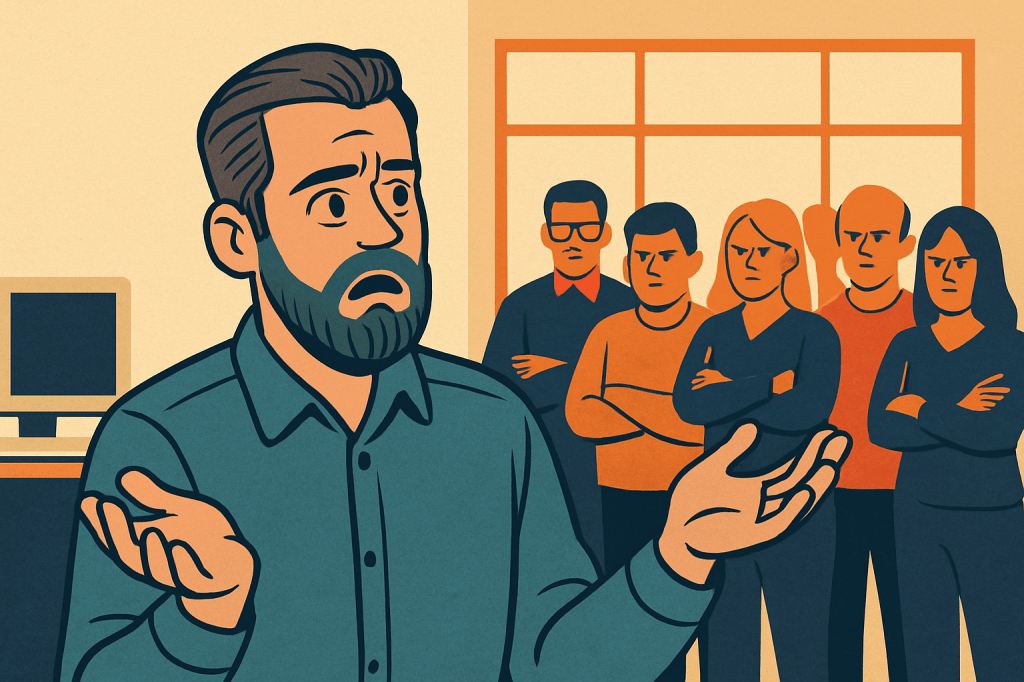
At some point in your leadership journey, you will try to make things better. And people will hate you for it.
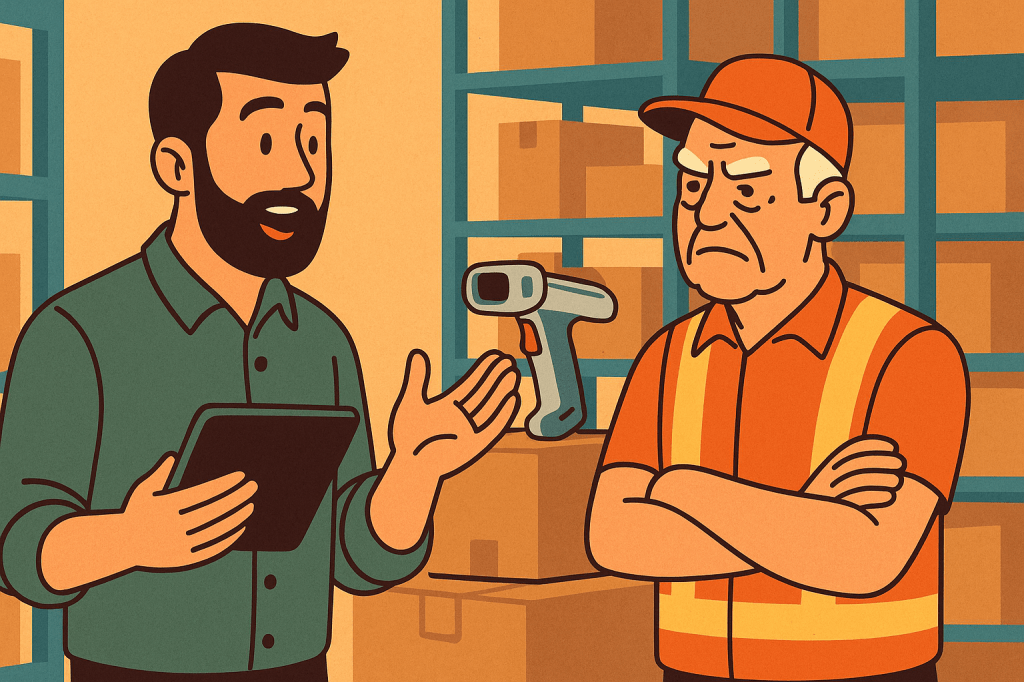
I learned that the hard way. I had just put the finishing touches on a new training process that had been causing problems for months. Packages were going missing. Damaged items weren’t getting documented properly. Everyone was stressed, and no one could tell me where things were breaking down. So I sat down and did the work. Rewrote the steps and double-checked everything against the actual day-to-day flow.
It wasn’t perfect, but it was better.
Then I rolled it out and the backlash was immediate.
Suddenly I was “micromanaging.” People said I was “changing too much.” One guy flat out told me I was making things harder on purpose. Never mind that we’d been talking about these exact issues in meetings for weeks. Never mind that I built the changes based on feedback they gave me.
They were mad. Because it was different.
That’s the thing no one tells you about trying to lead for real.
When you challenge the way things have always been, even with the best intentions, you don’t get applause. You get suspicion. Frustration. Eye rolls. People assume you have a hidden agenda, or that you’re trying to prove something, or that you’re just flexing.
I used to take it personally.
Now, I just see it as part of the job.
When you try to improve things, you’re sending a message, whether you mean to or not, that the old way wasn’t working. And if people built a sense of competence or pride around the old way? That feels like a threat.
Even if you’re right.
Especially if you’re right.
Good leadership will piss people off. Not because you’re cruel. Because you care enough to push through the part where everyone’s uncomfortable. You’re willing to stand in that storm, knowing the other side is a team that’s better prepared, more efficient, or less miserable.
But in the moment? It sucks.
You’ll be accused of things you didn’t do. You’ll be called controlling, arrogant, or out of touch. You’ll go home wondering if you screwed everything up. And then, slowly, the thing you changed will start to work. People will adapt. They’ll stop fighting it. They might even forget there was ever a time that it didn’t work that way.
And they won’t thank you.
That’s fine. That’s not why you’re doing it.
So yeah, I tried being a good leader. I got yelled at. I got side-eyed. I got called things I won’t repeat here.
But the process worked. The problems got fixed. And eventually, the team stopped bleeding out time and energy on avoidable mistakes.
That’s leadership. It’s not pretty. But if you can handle the part where people get mad at you for caring, you might actually be onto something.
 Roll For Insight