
Tag: personal growth

  • Zone 2 Training and the Slow, Agonizing Beauty of Incremental Progress

    Zone 2 Training and the Slow, Agonizing Beauty of Incremental Progress

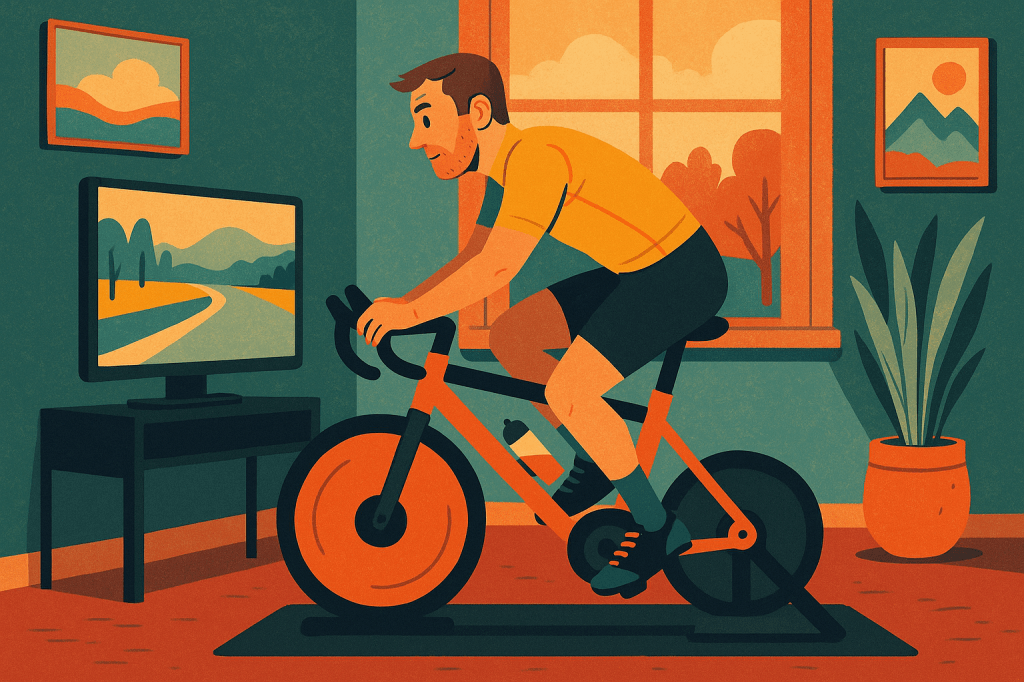
    There’s this moment about 25 minutes into a Zone 2 ride where your brain starts whispering, What are we even doing here? You’re not going hard enough to feel fast. You’re not going slow enough to feel like you’re recovering. You’re just…there. Spinning. Watching your power meter hover in a range that feels more like a suggestion than a workout. 

    And that’s where the real work begins. 

    As I’ve gotten a little older and shifted my focus away from racing, I got a little more honest about what my goals are. Not trying to win anything, I was training to keep myself strong, focused, and functional while juggling work, parenting, and grad school. Riding outside used to be like a form or therapy for me. Now? I need a plan. I need to fit it in between a Zoom meeting and my kid’s bedtime story. And I need it to work.

    Zone 2 fits, even if it doesn’t feel particularly inspiring in the moment. That’s sort of the point. 

    The problem is, incremental progress doesn’t make great social media content. No one’s posting sweaty selfies with the caption, “Held 185 watts for 65 minutes and didn’t feel like quitting once.” But if you’re training with your purpose, especially as someone whose FTP or iLevels are no longer the center of your identity, those kinds of wins actually matter more than PRs. 

    Zone 2 training is a long game. It’s a test of patience, ego management, and consistency. You don’t feel like a superhero when you’re doing it, but two months later, when your heart rate drops ten beats at the same effort, you realize something shifted. You got better. Quietly. Methodically. Without fanfare. 

    And here’s where that ties into leadership. 

    A lot of the work that actually makes you a better leader feels just as thankless. You read the books on communication. You rewrite your team’s onboarding plan. You sit through another one-on-one that feels like a therapy session held next to a forklift. None of that stuff gets you a standing ovation. But when you zoom out, it’s the stuff that keeps your team up when things start to get shaky. 

    Leaders who only invest big moments miss the point Progress lives in small reps. It shows up in how you listen, how you show up on a bad day, and how you choose to support someone even when they’re driving you up the wall. Leadership and Zone 2 both reward people who can keep going when there’s no immediate payoff. 

    I haven’t ridden outside in years. Not because I don’t want to, but because training indoors fits my life better. It’s consistent. It’s predictable. It’s efficient. And in this season of life, those things matter more than fresh air and KOMs. 

    So yeah, I’m a Level 2 cycling coach who trains on a smart trainer in my basement while listening to D&D podcasts and sipping electrolyte mix out of a Sponge Bob cup because my kid borrowed all the real bottles. Not exactly what I pictured when I got into this sport. But it works. 

    And in a weird way, that’s the beauty of it. When you let go of the flashy stuff and lean into the slow, intentional work, you start to notice the progress actually sticks. 

    Whether you’re leading, or just trying to be a little less of a mess than you were last week, the secret isn’t doing more. 
    It’s doing it on purpose.

  • Servant Leadership Isn’t About Being a Doormat, It’s About Being the Door

    Servant Leadership Isn’t About Being a Doormat, It’s About Being the Door

    Somewhere along the way, servant leadership picked up a reputation for being soft. Not thoughtful. Not strategic. Just soft. 

    People hear “servant” and picture someone running for coffee while everyone else gets to lead. Like the goal is to be so helpful that your own spine turns to Jello and your DMs become a dumping ground for everyone else’s problems. 

    That’s not servant leadership. It’s self-erasure with a to-do list. 

    When I was working on my Master’s, I ran into the same confusion. The term seemed cringe. It sounded like corporate double-speak for “do all of the emotional labor and never ask for a raise.” But then I read Leadership: Theory and Practice by Peter Northouse, and it started to make sense. The model isn’t about letting people walk all over you. It’s about helping them move forward without making yourself the center of every decision. 

    Servant leadership works because it’s built on actual accountability. You’re still responsible for the outcomes, you just don’t accomplish them by barking orders or hoarding control like a middle manager afraid of being replaced by someone with better time management and a decent pair of headphones. 

    Robert Greenleaf, who coined the term, said the real test of servant leadership is whether the people you’re leading grow. Not whether they hit their quarterly metrics or zero out their inbox. Whether they grow as people. That’s a hell of a bar, but it’s also the only one that matters if your leadership is supposed to mean anything after you’re gone. 

    When I owned a bike shop, I didn’t know Greenleaf from a bottom bracket. What I knew was that yelling never made a kid faster at fixing a flat, and micromanaging every tune-up left me too burnt out to deal with the stuff that actually mattered. So I taught. I handed people tools. I explained stuff once and then backed off. If they got it wrong, I coached. If they got it right, I said thank you and let them keep doing it. 

    I didn’t do that because I’m some visionary leader. I did it because it was the only way to make the chaos sustainable. It turns out that’s what servant leadership looks like in the wild. Not theory. Practice. 

    The same thing shows up behind the DM screen. You ever try to wedge your party through your genius three-act structure, only for them to adopt a stray grung, burn down your main plot hook, and spend an entire session trying to steal coins from innocent NPCs in a bar? That’s what happens when you treat leadership like control instead of support. 

    Good DMs build a world Great ones build a space where players feel like their decisions matter. They guide without choking the life out of the table. They create momentum, not mandates. 

    That’s servant leadership, too. 

    So no, it’s not about being a doormat, it’s about being the door. You dont get applause. You don’t get to be center stage. But you hold the frame. You let people move forward. And that matters. 

    If you’re leading because you want to be the smartest person in the room, servant leadership will frustrate the hell out of you. But if you’re in it to build people up and leave things better than you found them, then this is how you do it without turning yourself into a puddle of resentment and unpaid overtime. 

    And yeah, sometimes they forget to say thank you. Doors don’t get credit. 

    They just work.